

Dark Eye Circles Treatment in Singapore
Are Dark Eye Circles making you look tired?
Dark eye circles do not have one single cause. They may arise from melanin pigmentation, visible blood vessels through thin skin, structural shadowing from a tear trough or eye bag, or a mixture of these factors. Brown or grey circles are more likely to have a pigmented component. Blue or purple circles are more likely to have a vascular component. Hollows and eye bags create shadows that change with lighting and facial angle.


What Causes Dark Eye Circles
1) Skin pigmentation
Dark eye circles do not have one single cause. They may arise from melanin pigmentation, visible blood vessels through thin skin, structural shadowing from a tear trough or eye bag, or a mixture of these factors. Brown or grey circles are more likely to have a pigmented component. Blue or purple circles are more likely to have a vascular component. Hollows and eye bags create shadows that change with lighting and fa
2) Thin skin
Dark eye circles or under-eye discoloration occurs easily if you have thin under eye skin. Thin skin exposes
1. Bone structure beneath easily
2. Tiny blood vessels that just lie below the thin skin surface giving dark the circles the prominence we hate to have.
3) Loss of volume
Dark eye circles can be attributed to sunken eyes, and sunken eyes are caused by the loss of fats in the area under the eye and with all things that suffered from loss of volume, it gets deflated. Click here to read more about sunken eyes. As the skin gets deflated inwards, the tiny blood vessels underneath the skin are much closer to the skin thus giving rise to dark eye circles. This happens easily when you have think skin and suffers from sunken eyes.
4) Eyebags
The second type of dark eye circles is caused by eyebags. Fats underneath the eye migrates forward towards the skin. In this case, there can be 2 different reasons to how dark eye circles come about or it can be combination of both reasons.
1. When eyebags are formed, tiny blood vessels just under the skin get pushed closer to the skin, causing discoloration in the surface of the very delicate and thin skin just underneath the eye area, giving rise to dark eye circles.
2. With these bulging eyebags, a shadow is cast on the underside of the eyebag, giving rise to dark eye circles.
The cure for dark eye circles
1) Lasers for pigmented discolouration of the skin
Q-switched Nd:YAG and picosecond lasers can be used for selected pigmented dark circles. Their pigment-directed effect is through targeting melanin-containing pigment. Vascular dark circles are a separate problem and may require a vascular laser such as Vbeam, which targets haemoglobin within visible blood vessels.
2) Lasers to thicken up the thin skin
Laser or energy-based treatment may improve collagen, texture and lower-eyelid skin quality in selected patients. Better-supported skin may make underlying vessels less visible. This can improve a thin or crepey under-eye appearance, but it does not remove protruding eye-bag fat.
3) Fillers to correct the contour
Tear-trough or cheek filler can restore lost volume and may, in selected patients with mild eye bags, camouflage the lid-cheek transition by smoothing the hollow beneath the bulge. Filler does not remove the eye-bag fat itself. In patients with prominent bags, fluid-prone lower lids or unsuitable anatomy, adding filler may make the area appear puffier or heavier.
4) Eye bag removal if you have protruding eye bags
There are cases where the eye bags are so prominent that you do need surgery. It is best that you ask the doctor regarding this.
5) Botox for prominent pre-tarsal muscles
There are often 2 bulges present under the eyes. The 2nd bulge is often regarded as the eye bags and these are the ones that could make you look tired. The first bulge is often just a prominent pre-tarsal muscle and although these muscles do not often cause much problems, we can easily reduce them with just a few units of botox under the eyes to reduce the size of these muscles.
6) PDRN Skin Booster
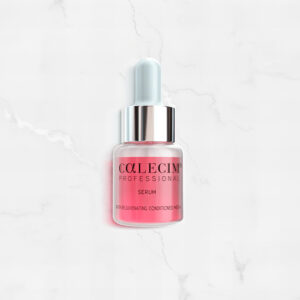
PDRN Skin Booster is a commonly requested treatment for the under-eye area. It may improve hydration, elasticity, fine lines and the general quality of thin or crepey lower-eyelid skin. In selected patients, this can make the under-eye area look smoother and less translucent. It does not directly remove melanin, fill a major hollow or reduce protruding eye-bag fat, so it is usually considered as part of a cause-based treatment plan rather than as a universal treatment for dark circles.

For a detailed review of the four types of dark eye circles, the published evidence for each treatment and Dr Gerard Ee’s own clinical approach, read his evidence-based guide to dark eye circle treatment in Singapore.
FAQ
This depends on your condition and expectations. Share them with the doctor so that they can plan out the treatments for you.
It is dependent on your condition and the treatment that you have opted for. Multiple sessions of lasers may be required whereas 1 session of fillers can last up to a year.
Yes, you can. The right combination of treatments can help to speed things up and help produce a more natural result.
Whether you have opted for dermal fillers or lasers, a layer of numbing cream will be applied 30 minutes prior to the treatment. This makes the treatment more comfortable.
The risks depend on the treatment selected. Pigment and fractional lasers can cause temporary redness and, particularly in darker skin, post-inflammatory hyperpigmentation or hypopigmentation. Vascular laser treatment may cause temporary purpura. Tear-trough filler can cause bruising, swelling, persistent oedema, lumps or a blue-grey Tyndall effect; uncommon vascular complications are also recognised. Radiofrequency and surgery have separate suitability criteria, recovery periods and risks that are discussed during consultation.